


Crossing Borders through Entertainment: Why Myanmar-Born Win Morisaki Connects Japan and the World
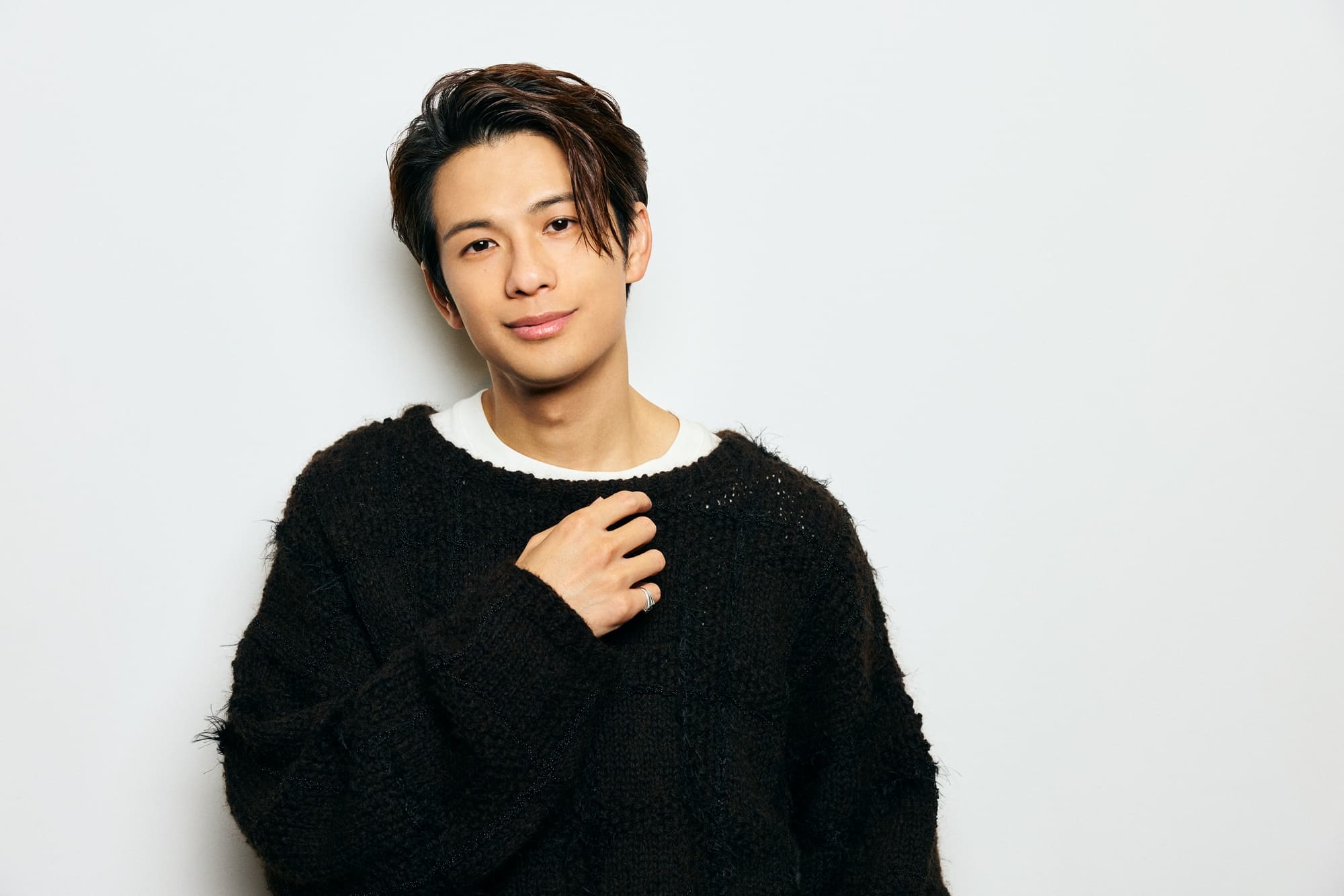
Born in Myanmar and debuting in Japan's entertainment industry, Win Morisaki works on the world stage as an actor, singer, and now film director. After obtaining Japanese citizenship in 2025, he spoke about his goals as an entertainer with two roots connecting Japan and the world.
Japanese Citizenship―
A Commitment before the World
――You obtained Japanese citizenship in 2025. That was a major decision, wasn't it?
Japan is where I was led into the entertainment world―without coming here, I wouldn't be who I am today. Entertainment crosses borders and reaches people's hearts. That's exactly why I want to broaden the scope of what I do, and I believe that's also a way to give back to everyone who supports me. It's with that in mind that I made the decision.
Up to now, even when I traveled overseas for work, a Myanmar passport meant I needed visas for many countries and getting them took time. There were multiple projects where, just to make the schedule, my manager and many others had to run around on my behalf.
Amid those circumstances, I rethought where I should base myself to share my work. Choosing Japanese citizenship was also a resolve to communicate more freely to the world and to face everyone involved with a greater sense of responsibility.
Feeling My Smallness and the World's Vastness
Through a Hollywood Role
――As an actor, did your first appearance in a Hollywood film, for Steven Spielberg's Ready Player One (2018), become a turning point?
It did. I moved from Myanmar to Japan at nine, was scouted at fourteen, and in my teens I was fortunate to appear in buzzy projects like the TV drama Kamen Rider W and the Japanese film Gokusen: THE MOVIE. After that, though, I went through a spell where I wasn't even getting auditions.
So when I was twenty-six and passed the audition for Ready Player One―which Mr. Spielberg personally oversaw―I was over the moon. But once I got to set in the United Kingdom, I spent day after day confronting how little I could actually do.
It was my first time in the UK, and I had no idea how overseas shoots ran. I couldn't speak English the way native staff did. I kept thinking, "The world is huge, and there's always someone better. With as little skill as I have, who am I to call myself an actor?" Then the next morning I'd fire myself up, thinking "Let's do this," and shuttle between the hotel and set, day in and day out, for four months.
When filming wrapped, Mr. Spielberg told me, "Win, keep acting. Let's meet on set again." I heard that as, "What matters is to keep giving your all to what's in front of you." That was the moment I decided to devote myself to this path.
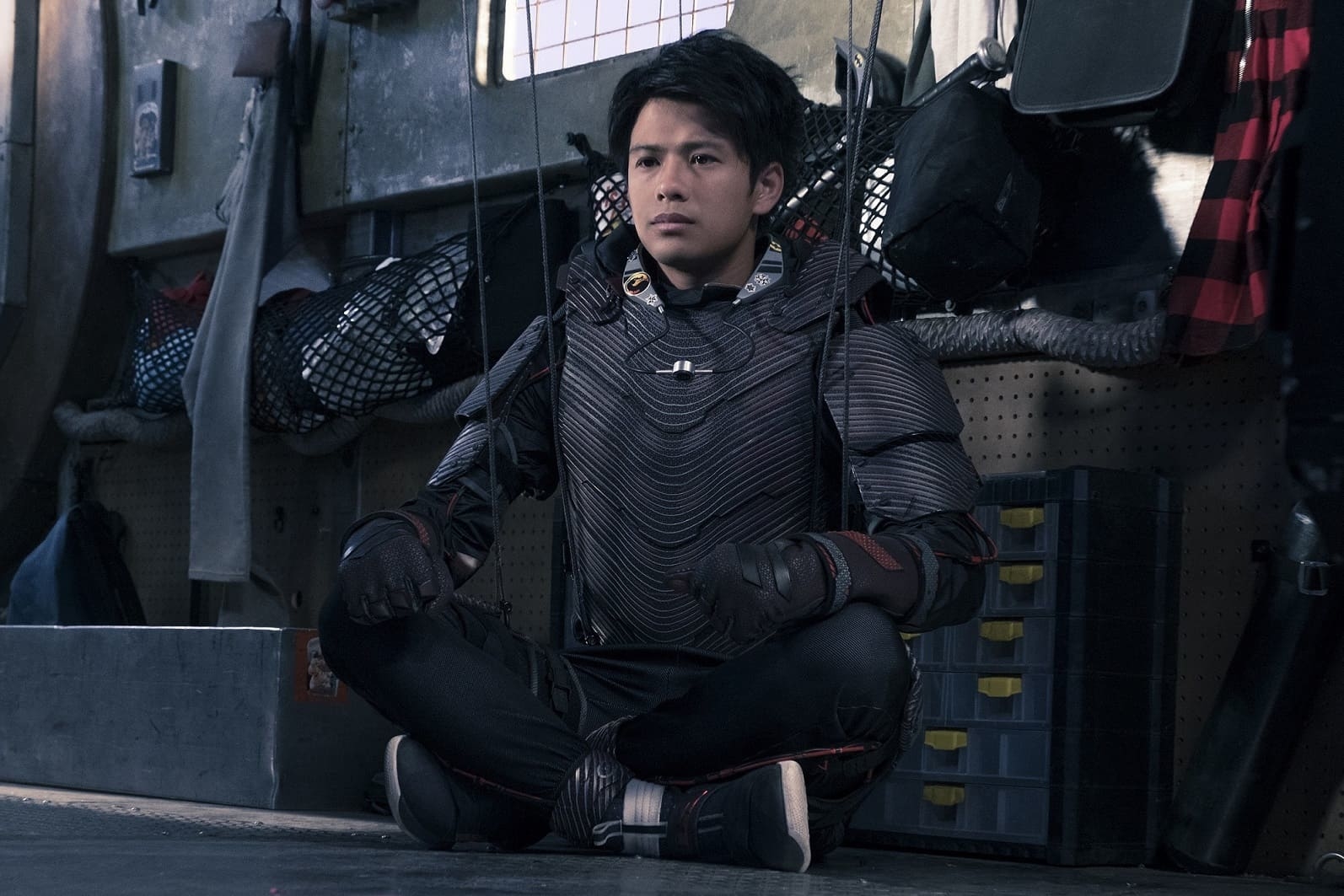
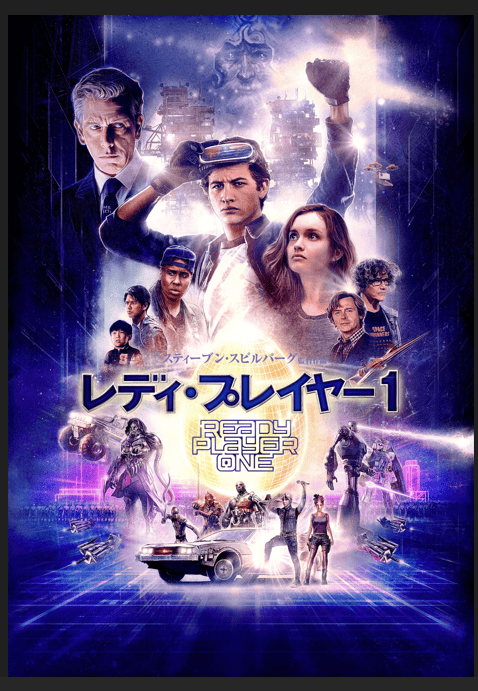 Ready Player One is packed with homages to 1980s pop culture―including the bike from the manga Akira and Hello Kitty―making it a work with deep ties to Japan; Morisaki was cast as Daito, one of the principal roles. © 2018 Warner Bros. Entertainment Inc., Village Roadshow Films (BVI) Limited and RatPac-Dune Entertainment LLC. All rights reserved.
――Your performance in Ready Player One reached audiences around the world.
I'm grateful that appearing in a Hollywood movie brought a big uptick in work not only in Japan but across Asia, including Myanmar. In 2020 I released the duet "MOSHIMO" with Ayaka Hirahara, which hit No. 1 on the charts in Myanmar after its digital release, and in 2025 I collaborated on a track with the popular Vietnamese band Chillies―music has opened many doors for me too.
As an actor, I give concrete form to stories that live in the minds of writers, directors, and producers. With music, I'm involved from scratch, from songwriting to song selection. It feels more directly linked to my real life.
Discovering the Joy of Expressing What I Believe―
My First Film as Director
――In 2024, your directorial debut, the musical film Sen (※1), won the George Lucas Award (Grand Prix) at Short Shorts Film Festival & Asia 2024 (SSFF & ASIA 2024), one of Asia's largest international short film festivals.
I'd always wanted to make a film someday. In recent years I've also done a lot of musical work, so if I were to direct, I knew I wanted it to be a musical. I also wanted to take on the challenge of creating an original work from Japan.
As the director, pouring everything I believe into the film gave me the conviction that that energy and intention really can be communicated. I also came to feel anew how precious it is to build a work together with a once-in-a-lifetime team. If the opportunity arises, I'd like to direct again, but for me, now isn't that time yet. That said, one day I want to connect Myanmar and the world through my films―and I believe that's something only I can do.
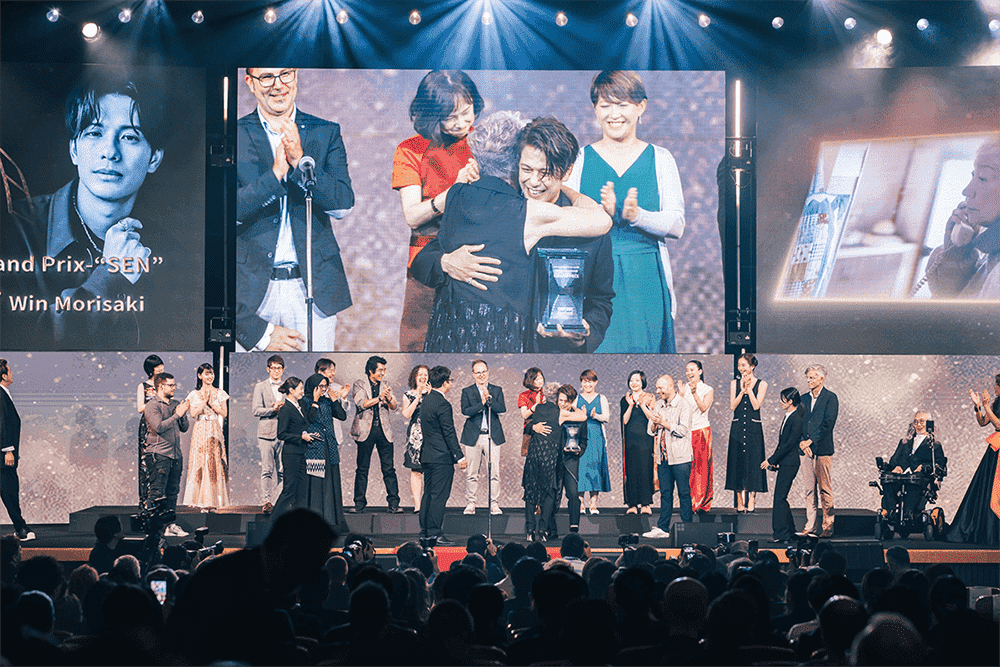 At the SSFF & ASIA 2024 awards ceremony (June 2024), which received roughly 5,000 submissions from 114 countries and regions. (Photo courtesy of the Short Shorts Executive Committee / Short Shorts Asia Executive Committee)
――Your co-starring film (LOVE SONG), released in October 2025 with Koji Mukai, was shot on location in Thailand under director Champ Weerachit Thongjila. How was the filmmaking experience there?
Taking care of my health is part of the job, so when I'm on location overseas I'm even more careful than usual about water and food. That said, Thailand's climate and flavors are close to Myanmar, where I spent my childhood, so it felt nostalgic. There are many people from Myanmar living in Thailand, too, and in the city I was happy when people called out, "You're Win, right? Keep it up!"
On set, what struck me was how readily Thai people offer praise. Not just the director―crew members would say, "That was great!" and even passersby watching the shoot would call out, "Good job!" (laughs). In Japan I hadn't really experienced being praised so openly, so it felt novel and fresh.
On the first day of shooting, in Japan we'd start with introductions, but in Thailand there wasn't any of that. The moment we stepped on set the director said, "Win, sit there. First scene. Ready, action," and we jumped straight into a take. I acted through my bewilderment, but in the end the lighting crew wasn't ready yet, so we reshot it (laughs).
You could list endless differences in production style by country, but through working overseas I learned how important it is to understand that your own common sense doesn't always apply. I'm good at respecting each way of doing things and adapting flexibly while still valuing my own perspective.
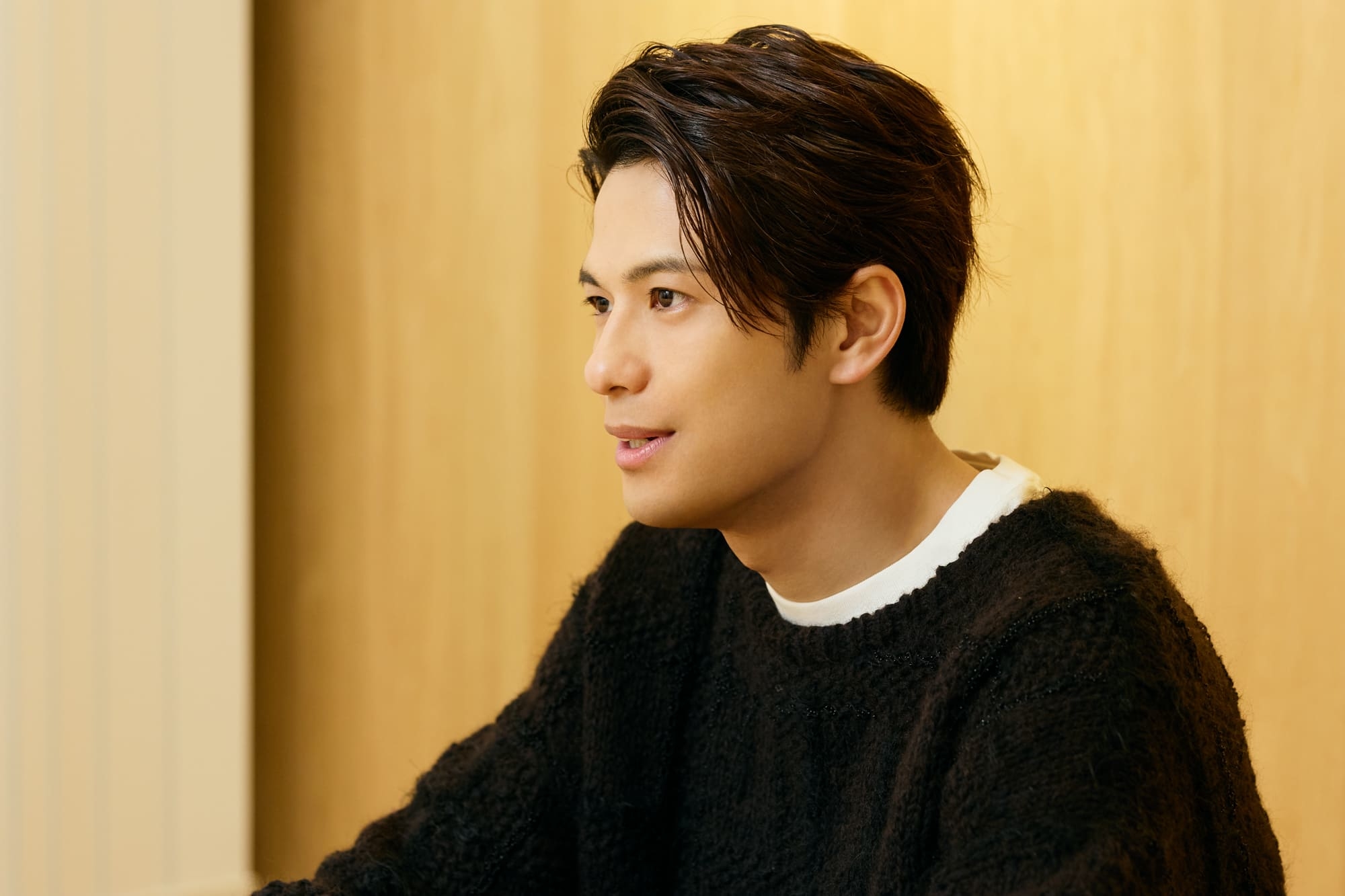 "Entertainment is built on peace," says Morisaki.
 The Japan-Thailand co-production (LOVE SONG), co-starring with Koji Mukai of the idol group Snow Man, opened on October 31, 2025, debuting at No. 2 and beginning its Thai run in November. Shown: Thai release poster. ©2025 "LOVE SONG" Film Partners
――We look forward to your continued success. What challenges or goals would you like to pursue next?
I once went to Uganda for work and had the chance to spend time with children alongside volunteers. Not many of the kids spoke much English, but when I picked up a guitar and started singing, they gathered around and began to sing too―the distance between us vanished in an instant! It was an incredibly moving experience. I felt firsthand how powerful music is, how powerful entertainment is.
 In Uganda, January 2024--the moment he connected with local children through song and music. (From "【WORLD】In Africa②" on Win Morisaki's official YouTube.)
As I grow as an entertainer, I want to work to help society. Ideally, I'd go on the ground myself, sing together, become friends―and then listen and find ways to help.
I believe entertainment is built on peace, and that arts and culture such as songs and dance cross borders and reach people's hearts. That's exactly why I want to keep performing, in Japan and abroad. If I can play even a small part in connecting people through entertainment, I'll be happy.
(※1)
Sen synopsis: An elderly woman (Mie Nakao) begins another ordinary day in the countryside. She shares breakfast at a low table with a young man from the local office (Nobuyuki Suzuki), and chats with a delivery worker over tea on the veranda. In that seemingly unchanged routine, faint dissonances begin to sound. "The title Sen carries meanings like the 'lines' between people and also the 'sen' of 'senso' (war)," says Morisaki. "Even when we think we understand each other, a gap can open without our noticing, or conflict can begin. I tried to portray that frustration."
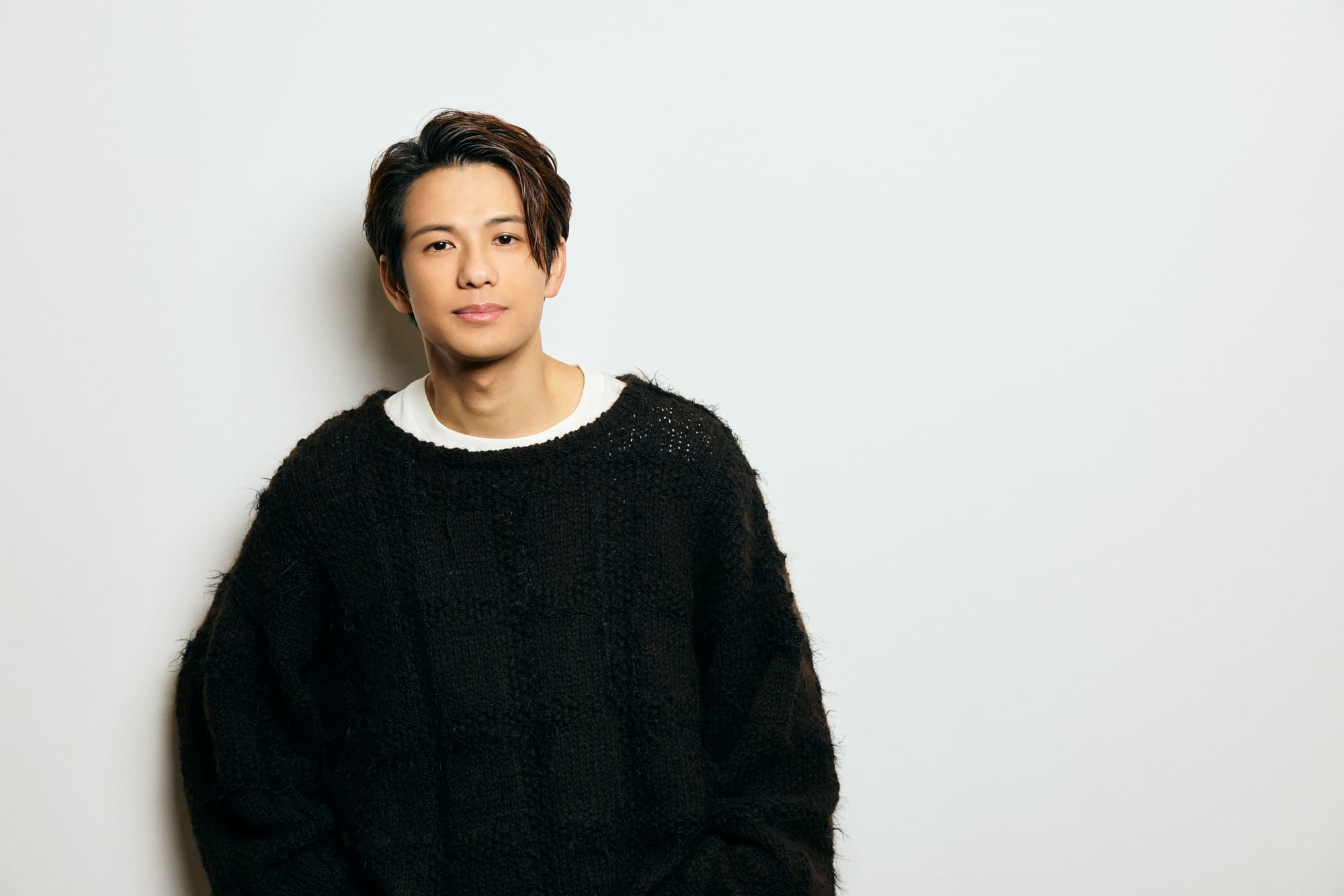
Win Morisaki
Actor and artist. Born in Myanmar in 1990; moved to Japan at age nine. Cast as a lead in Steven Spielberg's Ready Player One (2018). Won the 43rd Japan Academy Film Prize Newcomer of the Year for Listen to the Universe (2020). Appears in numerous productions in Japan and abroad; as a singer, performs under the name MORISAKI WIN. In 2024, his directorial debut short Sen won the George Lucas Award (Grand Prix) at Short Shorts Film Festival & Asia 2024. Myanmar Tourism Ambassador since 2018.
X: @win_morisaki_
Instagram: win_morisaki_official
YouTube: MORISAKI WIN / 森崎ウィン Official
Related Content
Top Stories
People-to-People Exchanges and Empowerment in ASEAN <1>
What is ASEAN really like? JF staff on the ground share their latest insightsArticles from Brunei, Cambodia, Indonesia, Laos, and Malaysia | The Japan Foundation Web Magazine Wochi Kochi
People-to-People Exchanges and Empowerment in ASEAN <2>
What is ASEAN really like? JF staff on the ground share their latest insightsArticles from Myanmar, the Philippines, Singapore, Thailand, and Vietnam | The Japan Foundation Web Magazine Wochi Kochi
Feature Stories - Somewhere in the world today
People-to-People Exchanges and Empowerment in ASEAN <3>
The World of 2050, Envisioned by Japanese and ASEAN Youths
2023 Exchange Program Student Participants Speak About Their Experience
Serialized Essays
People-to-People Exchanges and Empowerment in ASEAN <4>
Past, present and future of ASEAN-Japan relations: Centered around people-to-people exchanges

Keywords
Back Issues
- 2026.1.30 Crossing Borders thr…
- 2026.1.23 Weaving Memories of …
- 2026.1. 6 How Japanese-Languag…
- 2025.12.25 Peace Actions Envisi…
- 2025.9.30 The 51st Japan Found…
- 2025.9.30 The Japan Foundation…
- 2025.9.30 Bringing the World C…
- 2025.9.30 The 51st (2024) Japa…
- 2025.9.30 Japan Foundation Pri…
- 2025.9.30 Japan Foundation Pri…